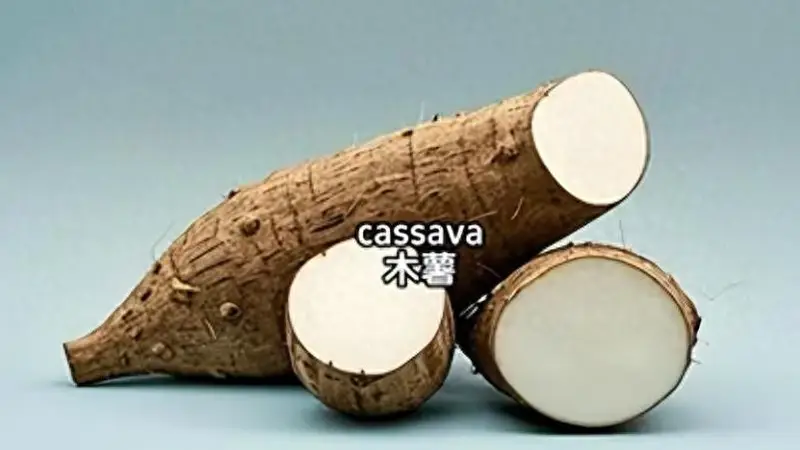
木薯,一种看似无害的作物, raw consumption can cause dizziness and potentially fatal outcomes. Astonishingly, it nourishes nearly eight hundred million people worldwide, featuring regularly on dinner tables. Coincidentally, China's southern regions also cultivate this plant. Known as cassava, its appearance resembles a sweet potato, with a rough exterior and a soft, white interior, giving it an innocent look. But every part of the cassava plant contains poison. The root holds the highest toxicity, featuring cyanogenic glycosides that break down into hydrogen cyanide within the human body—a poison everyone's heard of, known for its bitter almond aroma.
For an adult, consuming over a hundred grams of unprocessed raw cassava poses serious health risks, potentially leading to dizziness, nausea, and breathing difficulties, with severe cases resulting in respiratory failure and death. Children, due to their lower resistance, might suffer consequences from just tens of grams.
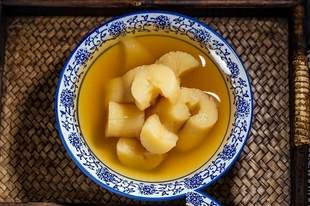
Over the years, cassava poisoning incidents have been quite frequent in China. In Rui'an, Zhejiang, a family of three ended up in the ICU after consuming cassava for three consecutive days, a direct result of inadequate processing. Others prepare cassava syrup without peeling or soaking it sufficiently, leading to immediate dizziness, vomiting, and unconsciousness lasting over ten hours before recovery. It's not that cassava is inedible—people simply lack awareness of its toxicity and often cook it carelessly, leading to adverse effects.
Remarkably, almost eight hundred million people worldwide treat this toxic plant as a daily staple. Africa leads in consumption, with approximately five hundred million relying on cassava for energy, where in countries like Nigeria and Congo, cassava accounts for over forty percent of dietary calories. Southeast Asia and Latin America also have significant populations consuming it. Combined, these figures exceed the entire population of Europe.
Why continues the cultivation and consumption of a known poison in impoverished areas? Essentially, cassava serves as life-saving sustenance. The plant is incredibly hardy, thriving in arid and nutrient-poor soils, with stem cuttings easily taking root and yielding harvests within months. Its yields are substantial, with one hectare producing over twenty tons. In African regions, during long droughts when rice and wheat fail and other crops wither, cassava remains the sole viable crop. For the poor, it's a foundational food source—without it, many would face starvation.
China also grows a significant amount of cassava, primarily in the south. Guangxi stands as the leading province, accounting for around sixty percent of the nation's cultivation area and producing hundreds of millions of tons annually. Guangdong, Hainan, Yunnan, and Fujian also contribute to the cultivation. Domestic production falls short of demand, necessitating large imports of cassava starch and dried cassava from Thailand and Vietnam, with an import dependency exceeding seventy percent. Surprisingly, we consume cassava daily, often unknowingly.
The black tapioca pearls in bubble tea derive from cassava starch. This starch produces pearls with the desired chewiness that no other starch can replicate. With bubble tea shops popping up everywhere, the annual consumption of tapioca pearls can pile into mountains. Foods like taro balls, mochi, and coconut pudding also frequently use cassava starch. Supermarkets offer noodles and vermicelli mixed with cassava starch, while instant noodles, ham肠, and frozen dumplings often rely on it for thickening and texture enhancement. In essence, cassava has long been a hidden ingredient in a wide array of everyday foods.
One might wonder: is it safe to eat cassava starch made from a toxic plant? No need for concern here. Cassava's toxicity stems from cyanogenic glycosides, which dissolve in water. Through the starch-making process—repeated soaking, washing, and settling—the toxins are thoroughly removed. Cassava starch produced by正规 manufacturers meets safety standards, ensuring no harm from consumption. The real danger lies in mishandling fresh cassava at home.
For safely preparing fresh cassava, specific steps must be followed without deviation. First, the skin must be removed completely, as it contains the highest toxicity; even the inner skin must be scraped off. Next, cut the cassava into small pieces, smaller is better, to facilitate toxin leaching. Subsequently, soak the pieces in water for at least six hours, preferably a full day, with water changes throughout. Studies show that peeling and a full day of soaking remove nearly half the cyanogenic glycosides, with longer soaking reducing toxicity by over seventy percent.
The final step is boiling, and it must be done with the lid off. Place the soaked cassava in a pot, cover with plenty of water, and bring to a boil. Keep the lid open for the entire cooking process, which should last at least thirty minutes. It's crucial to keep the lid off, as the released hydrogen cyanide will evaporate into the air, while a closed lid allows it to recede into the broth. After boiling, discard the cooking water. Properly processed cassava should be largely safe for consumption.
Even after proper treatment, moderation is key. Adults should consume no more than two hundred grams daily, with children halving that amount. Pregnant and breastfeeding women are advised to avoid it entirely. Also, avoid eating on an empty stomach or daily, as accumulated toxins may cause problems. Pair cassava with foods rich in sulfur-containing amino acids, like eggs or garlic, to aid in metabolizing cyanides. In case of accidental过量




网友评论